Basketball Club Teams San Diego Supporting Every Stage of Development
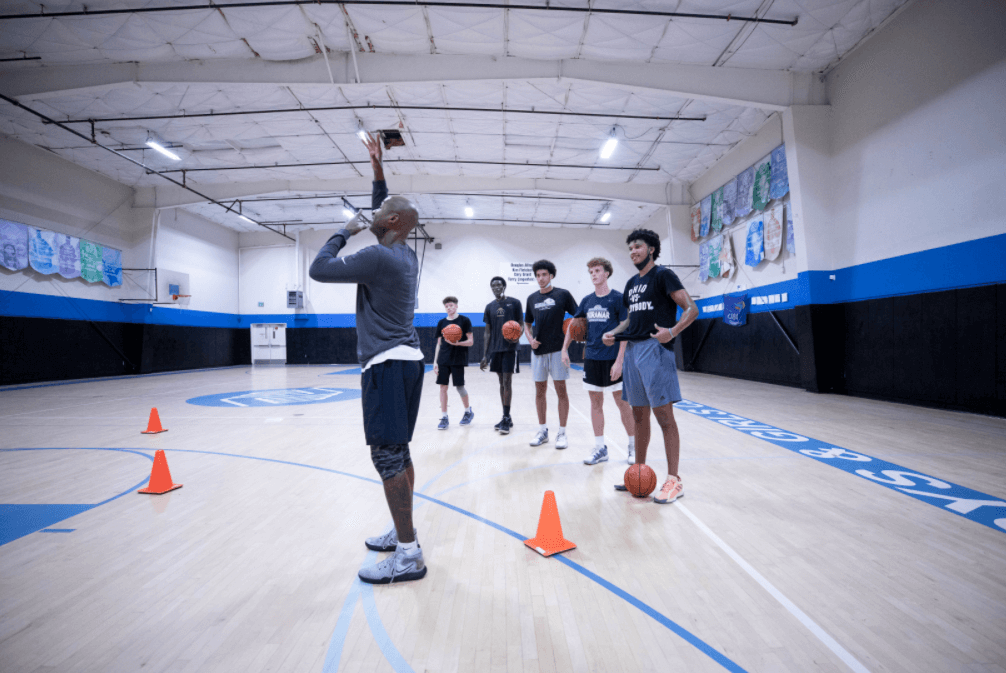
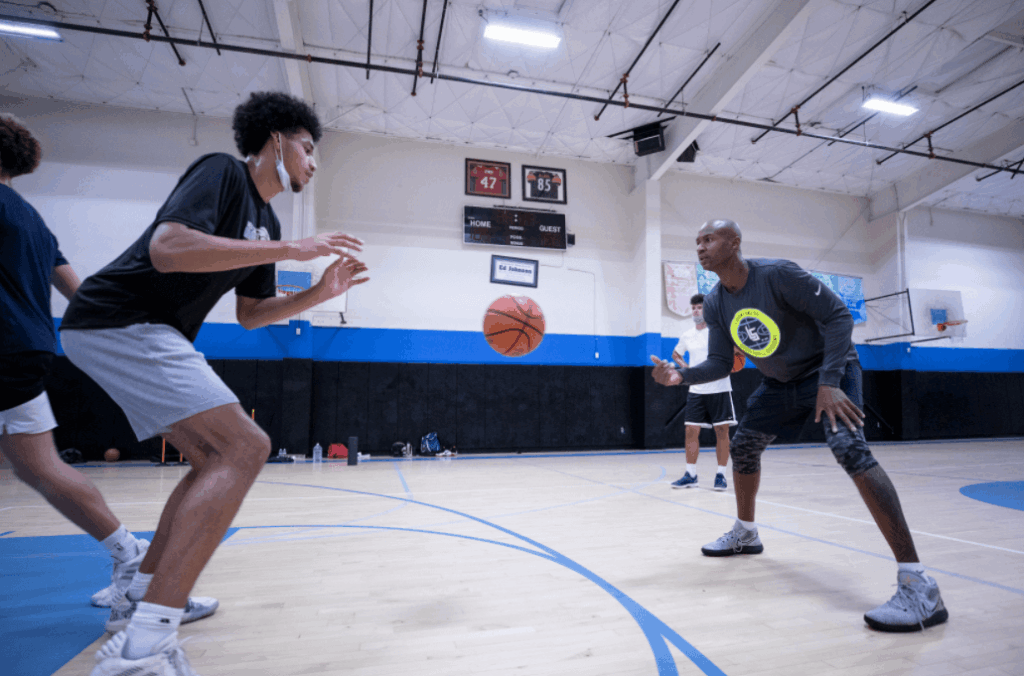
Parents usually start the search for a basketball program with one simple question: where can my child improve? It sounds straightforward, but anyone who has spent time around youth sports knows the real answer depends on age, maturity, goals, schedule, coaching fit, and even temperament. The best basketball development does not happen through a one-size-fits-all model. It happens when a club understands that a third grader learning how to pivot needs something very different from a ninth grader chasing varsity minutes or a serious high school player preparing for college exposure.
That is why the conversation around Basketball Club Teams San Diego matters. The region has no shortage of athletes, gyms, trainers, and competitive opportunities. What separates a strong club from an average one is not simply how many tournaments it enters or how many social media posts it produces. It is whether the program can support a player at each stage, from early skill introduction to advanced competitive refinement, without rushing development or losing sight of the individual.
San Diego is a unique basketball market. The year-round weather encourages activity, the competition level is healthy without feeling oversized, and families often balance school, academics, beach culture, and multi-sport commitments. A club team that succeeds here usually does so because it respects that balance while still creating structure and standards. That combination is harder to pull off than it sounds.
Development does not look the same at every age
One of the most common mistakes in youth basketball is treating progress as a straight line. It rarely works that way. Players grow at different rates. Some arrive coordinated and confident at age nine, then level off physically while others catch up at thirteen or fourteen. Some are aggressive scorers early, only to discover later that they need to rebuild their shooting mechanics or improve defensive habits. Some are late bloomers who barely make noise in middle school and become major contributors in high school.
A well-run club team accounts for this. At the elementary level, the emphasis should stay firmly on movement skills, ball comfort, spacing, footwork, and enjoyment of the game. Children need repetition, but they also need variety and positive correction. A coach who can keep a gym organized while teaching jump stops, triple threat positioning, and basic help defense is far more valuable than one who simply presses full court and wins weekend games by overwhelming weaker teams.
By middle school, the developmental picture becomes more nuanced. Players need more positional awareness, better decision-making, and accountability on both ends. They should still be learning broadly, especially guards and wings, but https://johnnyaqhs405.quantlynix.com/posts/basketball-club-teams-san-diego-building-champions-on-and-off-the-court training can begin to reflect individual strengths and weaknesses. This is often the age when parents start focusing too much on rankings or exposure. In my experience, that is almost always premature. Seventh and eighth grade matter because they shape habits, not because they determine an athlete’s final ceiling.
High school changes the equation again. Now the quality of competition, the pace of play, and the tactical demands all rise. Strength and conditioning become more important. Film study can start to matter. Communication with high school coaches matters. For advanced players, tournament selection, schedule planning, and role clarity also become significant. A club that supports this phase well does not just provide games. It helps athletes sharpen the details that actually translate to school basketball and, for a small percentage, recruitment.
What strong club coaching actually looks like
Families often judge a coach by volume. If the coach is loud, animated, and heavily involved, people assume instruction is happening. Sometimes it is. Sometimes it is just noise. Real coaching shows up in the details.
You can tell a lot about a club program within the first half hour of practice. Are players standing in long lines waiting for turns, or are they getting meaningful reps? Does the coach correct foot placement on closeouts, passing angles, and finishing reads, or is everything reduced to “play harder”? When a player makes a mistake, does the coach teach the next decision or simply react emotionally? Those differences shape development over months and years.
The best coaches in the youth club space know how to layer information. They do not dump high school varsity concepts onto ten-year-olds. They introduce ideas in ways athletes can absorb. Younger players might learn spacing through simple drive-and-kick actions. Older players might work on reading weak-side tags or defending ball screens with purpose. Same sport, same broad principles, very different teaching method.
Good coaching also means resisting the temptation to win at the expense of growth. It is easy to ride two dominant players, trap nonstop, and chase medals in low-level events. It is much harder to give players room to make mistakes, expand their games, and learn roles that may not pay off until months later. Yet that is often what separates developmental clubs from trophy-chasing programs.
San Diego’s basketball environment creates both opportunities and pressure
The local basketball ecosystem gives athletes real chances to improve. There are enough clubs, private trainers, school programs, and facilities for families to be selective. That is a good thing. It means players are not trapped if a situation is poorly organized or mismatched.
At the same time, the abundance of options creates noise. Many families feel pressure to commit earlier, travel more, and specialize faster than necessary. It is not unusual to see younger players stacking school ball, club ball, weekly skills sessions, and extra shooting lessons, all while trying to maintain normal academic demands. The result can look impressive on paper while quietly eroding confidence and joy.
For Basketball Club Teams San Diego, the challenge is not just offering access. It is helping families make sensible choices. A strong club will be honest when a player needs more basic skill work before chasing elite competition. It will recognize when a child is physically exhausted. It will not promise college pathways to every middle school athlete. It will place development ahead of marketing.
That honesty builds trust, and trust matters because youth basketball is a long game. Families remember which coaches told them the truth, even when it was not the easiest thing to hear.
Younger players need foundations, not labels
At the early stages, labels can do damage. The “point guard” who never learns to score becomes limited. The “big” who is always parked near the rim may fall behind once the game speeds up. The “shooter” who avoids contact may struggle when defenders become longer and more disciplined.
The smarter developmental approach keeps young players broad. Everyone should learn to handle pressure, pass on the move, finish with either hand, defend in space, and understand basic transition responsibilities. That does not mean pretending all players are identical. It means not narrowing a child’s game too early because it helps a team win a weekend bracket.
I have seen this pattern repeatedly. A tall sixth grader dominates inside against peers, collects easy points, and looks ahead of schedule. Two years later, others have grown, the physical edge shrinks, and the player suddenly lacks perimeter footwork and face-up confidence. The issue was never the player’s potential. It was the developmental lane chosen too soon.
San Diego clubs that serve younger age groups well usually keep practice energetic and skill-rich. They teach concepts, but they resist over-coaching every possession in games. They understand that confidence grows when players are trusted to try things, fail occasionally, and learn from it.
Middle school is where habits either harden or improve
This is the phase when many players start taking basketball more seriously. It is also the phase when weaknesses become harder to hide. Defenders close space faster. Decision-making must speed up. Shooting mechanics that looked fine at close range break down at distance. Conditioning matters more. Players who relied only on effort or only on talent find that the game asks for both.
A good middle school club team recognizes that this is a teaching window. It is often the right time to refine movement patterns, correct shooting base and release consistency, and demand better off-ball defense. It is also when athletes need to hear more detailed feedback about pace, reads, and body control. If a player cannot stop under control, pass accurately on time, or defend without reaching, those habits will show up in every setting.
This age group also needs careful emotional management. Confidence can swing wildly between one weekend and the next. A player may look excellent in one event and overwhelmed in another. Coaches who understand adolescent development keep perspective. They push standards while keeping results in context.
Families sometimes misread playing time during this stretch. Not every reduced role means a player is being overlooked. Sometimes a coach sees that an athlete needs to grow through a specific challenge, such as defending stronger guards or functioning off the ball. On the other hand, if roles never change and coaching feedback stays vague, that is a sign the environment may not be truly developmental. Context matters.
High school players need specificity
By high school, the developmental conversation becomes sharper. General improvement still matters, but now players often need targeted work tied to their likely role. A lead guard may need to improve live-dribble passing and pick-and-roll reads. A wing may need catch-and-shoot consistency, lateral quickness, and defensive versatility. A post player may need better screening angles, rim protection timing, and short-roll decision-making.
This is where quality club coaching can make a real difference. The right environment gives players challenging practice reps against comparable athletes, meaningful feedback, and a schedule that tests them without burning them out. It also connects summer club play to school-season demands. A player preparing for varsity basketball should not spend an entire club season freelancing in ways that will never translate when school starts.
For athletes with college aspirations, honesty becomes even more important. The recruiting landscape changes constantly, and not every strong high school player needs the same path. Some benefit from major exposure events. Others are better served by skill development, local competition, and stronger game film. Club programs that truly support high school athletes do not sell dreams in vague terms. They help players assess level, fit, timing, and readiness.
That support often includes conversations that are less glamorous than highlights and rankings. Academic discipline, communication with coaches, body language on the bench, responsiveness to role changes, and resilience after poor performances all matter. College coaches notice more than points per game. So do high school coaches.
The right club fit often matters more than the highest label
Families are drawn to words like elite, national, and select. Sometimes those labels reflect real quality. Sometimes they are just branding. The more useful question is whether the environment matches the athlete.
A player who gets buried at the end of a stacked roster may gain occasional exposure to high-level games, but if meaningful development and confidence disappear, the trade-off may not be worth it. Another player might thrive on a slightly less prominent team with strong coaching, a clear role, and room to grow. There is no universal answer. The right fit depends on the athlete’s current level, long-term goals, and ability to handle competition and limited minutes.
In San Diego, this balance shows up often because the area includes players with very different aims. Some want a serious pathway and are ready for high-commitment schedules. Others want quality instruction and competition while still protecting time for academics, family, and other activities. Both are valid. A good club can articulate what it is built to provide and who it serves best.
Here is where families should pay close attention. If every conversation centers on tournaments and uniforms, something is missing. If coaches cannot explain their teaching philosophy, player progression model, or expectations for practice habits, that is worth noting. Programs that support every stage of development are usually very clear about how they teach and why.
What parents should watch for in a San Diego club program
Parents do not need to be basketball tacticians to recognize a healthy environment. A few observations go a long way.
First, watch how coaches handle mistakes. Constructive correction, especially when paired with demonstration and encouragement, usually indicates a teaching mindset. Constant criticism, vague yelling, or public embarrassment often signals the opposite.
Second, notice whether all players are engaged in practice. Development stalls when half the team stands around. Productive practices keep athletes moving, thinking, and competing.
Third, listen for specificity. “Get lower on the drive.” “See the weak-side defender.” “Jump to the ball.” Those are coachable details. Generic commands rarely change behavior.
Fourth, consider communication with families. Clear expectations about attendance, playing time philosophy, travel, and goals reduce unnecessary tension. Ambiguity creates problems.
Fifth, assess the broader effect on the player. Is your child improving in skill and confidence? Is the game still enjoyable? Is the schedule sustainable? Progress should feel demanding, but it should not feel chaotic all the time.
Training outside team practices can help, if it has purpose
Individual training has become common in youth basketball, and in many cases it is valuable. The danger lies in treating extra workouts as a substitute for thoughtful development. More sessions do not automatically equal more progress.
The best supplemental training fills a real need. A player with a slow release may need focused shooting work. A young guard who struggles under pressure may benefit from ball-handling and decision drills that simulate game stress. A forward who avoids contact may need finishing practice through pads and traffic. Purpose matters more than volume.
Club teams and private training should ideally complement one another. When they do, growth can accelerate. When they conflict, players get mixed messages. I have seen athletes spend months working on new footwork patterns privately, only to return to team settings where none of it is reinforced. The reverse also happens, with club coaches teaching team concepts while outside trainers focus only on flashy scoring sequences. Neither mismatch serves the player well.
In San Diego, where training options are plentiful, families should ask direct questions. What is being taught? Why now? How will this transfer to games? Those answers usually reveal whether the investment is useful.
Balancing ambition with longevity
One of the quieter responsibilities of a good club program is protecting a player’s long-term relationship with the game. Ambition is healthy. High standards are healthy. Competitive environments can be deeply positive. But when everything becomes urgent at age eleven or twelve, players can burn out before their most important developmental years even arrive.
Supporting every stage of development means pacing matters. A nine-year-old does not need a college conversation. A twelve-year-old does not need every weekend booked. A fourteen-year-old who hits a growth spurt may need patience while coordination catches up. A high school junior facing recruiting stress may need honest, calm guidance instead of hype.
The clubs that do this well understand that basketball careers, even successful ones, are rarely linear. There are plateaus, setbacks, injuries, confidence dips, and role changes. Development includes all of it. Good coaching helps athletes navigate those moments without panic.
This is one reason the strongest Basketball Club Teams San Diego tend to earn loyalty over time. They are not simply places where kids play games. They are environments where athletes learn discipline, resilience, teamwork, and self-awareness through the structure of basketball. Those lessons carry far beyond the court.
Why the best programs stay grounded
At every age level, basketball can tempt adults into shortcuts. Win now. Travel more. Add another team. Chase another title. Move up before the player is ready. The strongest clubs resist that pressure. They stay grounded in teaching, progression, and fit.
That does not mean they lack ambition. Quite the opposite. Serious development is ambitious because it requires patience, consistency, and difficult judgment. It asks coaches to think beyond this weekend’s bracket. It asks families to measure success by skill growth, confidence, understanding, and readiness for the next stage. It asks players to embrace repetition, correction, and the slower work that rarely gets applause in the moment.
San Diego has the ingredients for excellent youth basketball, strong athletic populations, committed families, knowledgeable coaches, and enough competitive variety to meet players where they are. When those pieces come together inside a club that understands development as a staged process rather than a sales pitch, athletes benefit in lasting ways.
That is the real standard for Basketball Club Teams San Diego. Not just fielding teams, but building players carefully, honestly, and effectively, from first fundamentals to advanced competition. When a club can do that, it supports more than performance. It supports growth at every stage that matters.
Lamont Smith Basketball Academy
888 Clairemont Mesa Blvd Suite T-2, San Diego, CA 92123
(619) 639-8778
FAQ About Basketball Club Teams San Diego
How can a player join an LSBA club team?
Players are evaluated during practices so the coaching staff can recommend an appropriate team and development level. Families should contact the academy to confirm current openings and evaluation details.
Are club teams available for newer basketball players?
Yes. LSBA describes multiple levels, including a developmental option for newer players as well as more competitive teams for athletes with prior club experience.
What do LSBA club team practices emphasize?
Practices emphasize basketball fundamentals, team defense, structure, communication, and player development. The specific focus may vary according to the team and experience level.
Do all LSBA teams travel?
Travel expectations vary by level. Some teams focus on local competition, while advanced teams may participate in tournaments elsewhere in Southern California or beyond. Families should confirm the current schedule before enrolling.